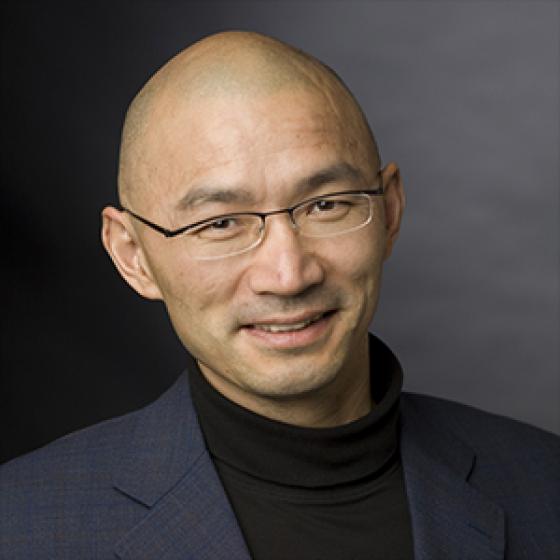
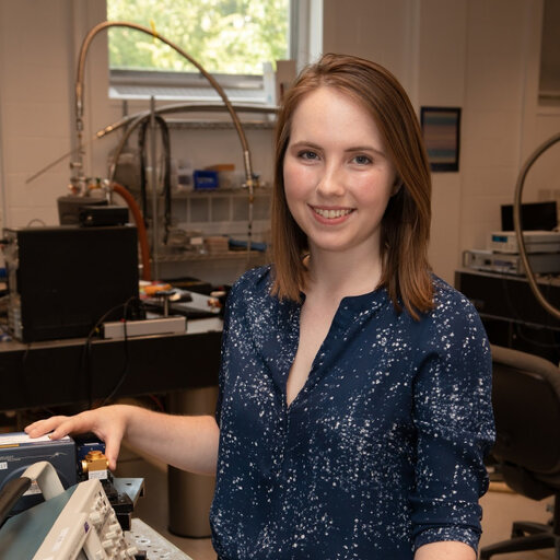
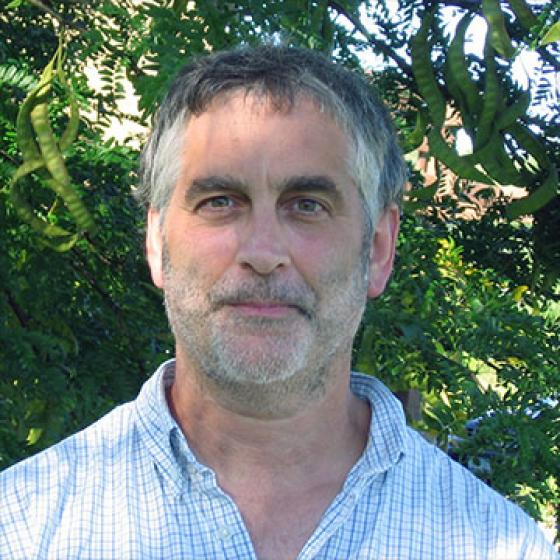
Steven Graham Adie Associate Professor, Associate Director and Director of Undergraduate Studies Meinig School of Biomedical Engineering Weill Hall, Room 113 607/2552656sga42@cornell.edu
James Francis Antaki Susan K. McAdam Professor of Heart Assist Technology Meinig School of Biomedical Engineering Weill Hall, Room 109 607-255-0726antaki@cornell.edu
Shivaun D. Archer John & Janet Swanson Senior Lecturer Meinig School of Biomedical Engineering Weill Hall, Room 141 607/255-3781sda4@cornell.edu
Lawrence Bonassar Daljit S. and Elaine Sarkaria Professor in Biomedical Engineering Meinig School of Biomedical Engineering Weill Hall, Room 149 607/255-9381 Professor Sibley School of Mechanical and Aerospace Engineering lb244@cornell.edu
Ilana Lauren Brito Associate Professor, Mong Family Sesquicentennial Faculty Fellow in Biomedical Engineering Meinig School of Biomedical Engineering Kimball Hall, Room 289 607/2542938ibrito@cornell.edu
Jonathan T. Butcher Professor Meinig School of Biomedical Engineering Weill Hall, Room 304 607/255-3575jtb47@cornell.edu
Nate Cira Assistant Professor Meinig School of Biomedical Engineering 279 Kimball Hall njc222@cornell.edu
Ben Cosgrove Associate Professor, Director of Graduate Studies Meinig School of Biomedical Engineering Weill Hall, Room 159 607/255-7271bdc68@cornell.edu
Newton de Faria Professor of Practice, Director of the Masters of Engineering Program Meinig School of Biomedical Engineering Weill Hall, Room 105 607/2557683newton.defaria@cornell.edu
Iwijn De Vlaminck Associate Professor Meinig School of Biomedical Engineering Weill Hall, Room 301 650/7984570id93@cornell.edu
Peter Doerschuk Professor Meinig School of Biomedical Engineering Weill Hall, Room 135 607/255-4179 Professor Electrical and Computer Engineering Phillips Hall, Room 305 pd83@cornell.edu
Claudia Fischbach Stanley Bryer 1946 Professor of Biomedical Engineering Meinig School of Biomedical Engineering Weill Hall, Room 157 607/2554547cf99@cornell.edu
Shaoyi Jiang Robert Langer ’70 Family and Friends Professor Meinig School of Biomedical Engineering sj19@cornell.edu
Alex Kwan Associate Professor Meinig School of Biomedical Engineering Weill Hall, Room 111 alex.kwan@cornell.edu
Jan Lammerding Professor Meinig School of Biomedical Engineering Weill Hall, Room 235 607/255-1700jan.lammerding@cornell.edu
Esak (Isaac) Lee Assistant Professor, Nancy and Peter Meinig Family Investigator in the Life Sciences Meinig School of Biomedical Engineering Weill Hall, Room 302 607/255-8491el767@cornell.edu
Karl Lewis Assistant Professor Meinig School of Biomedical Engineering Weill Hall Room 107 607-254-6432kjl235@cornell.edu
Nozomi Nishimura Associate Professor Meinig School of Biomedical Engineering Weill Hall, Room 117 6073427738nn62@cornell.edu
David A. Putnam Associate Dean for Innovation and Entrepreneurship College of Engineering Samuel B. Eckert Professor in Engineering Meinig School of Biomedical Engineering / Smith School of Chemical and Biomolecular Engineering Weill Hall, Room 147 607/255-4352dap43@cornell.edu
Mridusmita Saikia Lecturer Meinig School of Biomedical Engineering Weill Hall, Room 165 ms2855@cornell.edu
Chris Schaffer Professor Meinig School of Biomedical Engineering Weill Hall, Room 115 607/342-7737cs385@cornell.edu
Jack Mansfield Thompson Design Lecturer for the Master of Engineering Program Meinig School of Biomedical Engineering Weill Hall, Room 139 607/255 -7903jmt248@cornell.edu
Marjolein van der Meulen James M. and Marsha McCormick Director of Biomedical Engineering; Swanson Professor of Biomedical Engineering Meinig School of Biomedical Engineering Weill Hall, Room 121D 607/255-1445 Sibley School of Mechanical and Aerospace Engineering mcv3@cornell.edu
Krystyn Van Vliet Professor, Vice President for Research and Innovation Materials Science & Engineering Meinig School of Biomedical Engineering krystyn.vv@cornell.edu
Yadong Wang McAdam Family Foundation Professor of Heart Assist Technology Meinig School of Biomedical Engineering Kimball Hall, Room 277 607/2554030yw839@cornell.edu
Yi Wang Professor Meinig School of Biomedical Engineering MVR G301, the MRI facility 646/962-2631, 2640 The Faculty Distinguished Professor, Director of MRI Research Institute Radiology Weill Cornell Medicine yw233@cornell.edu
Warren R. Zipfel Associate Professor Meinig School of Biomedical Engineering Weill Hall, Room B41 607/255-0663wrz2@cornell.edu